Cold calling did not die. What changed is the bar for relevance.
Prospects are faster at filtering out generic outreach than they were a few years ago. The calls that still work tend to have one thing in common: the rep has a reason for calling that specific person, at that specific moment.
This article covers what actually moves the needle: how to prep before you dial, how to build a script structure that sounds human instead of scripted, what top performers do in real time during a call, and how AI is changing what "in the moment" means for outbound reps.
Key Takeaways
- The best cold calls are built around one specific signal, not a generic pitch.
- SDRs should use flexible call structures instead of memorized scripts.
- The first 10 seconds should earn attention, not explain the product.
- Real-time AI helps reps respond during the call, when objections and buying signals actually happen.
Why Most Cold Calls Lose in the First 10 Seconds
The prospect's brain is pattern-matching before you finish your opener. The moment they recognize the rhythm of a sales call — name drop, company name, vague value statement — they've already decided. You're not talking to someone who's listening. You're talking to someone looking for a reason to hang up.
The most common openers that trigger this:
- "Is now a bad time?" — Primes them to say yes.
- "How are you doing today?" — Signals you're reading from a script.
- "I'm calling because we help companies like yours…" — Generic enough to apply to anyone, which means it applies to no one.
The goal of the first ten seconds isn't to pitch. It's to create enough relevance or curiosity that they don't hang up. That's it. Everything else comes after.
Pre-Call Prep: 5 Minutes, One Signal
Deep research before every cold call doesn't scale. But zero context kills your relevance. The middle ground is one meaningful signal per call — something specific enough to reference naturally.
What to look for in under five minutes:
- A recent company announcement (funding, new hire, product launch, earnings)
- A LinkedIn post or comment the prospect made in the last 30 days
- A job posting that signals a pain area (e.g., hiring five SDRs = scaling outbound)
- A tool in their stack that suggests a workflow gap
Once you have the signal, build a hypothesis: Why might this person care about what I'm about to say, given what I just read?
That hypothesis becomes the frame for your opener. Not a fact you recite — a lens that makes your call feel less random.
Cold Calling Scripts: Structure Beats Memorization
A memorized script sounds memorized. The delivery goes flat when it's going well and falls apart completely the moment the prospect goes off-script — which they always do.
What top performers use instead is a structure with flexible language. They know the shape of the call, not the word-for-word text. Here's the five-part framework:
1. Hook (5–10 seconds)
Reference the signal. Not as a compliment — as a bridge to why you're calling.
"I saw [Company] just opened a new office in Singapore — calling because that usually means outbound is about to scale pretty fast."
"You posted last week about prospecting efficiency. That's exactly the problem I've been working on with teams like yours."
The hook doesn't mention your product. It earns three more seconds of attention.
2. Intro (5 seconds)
Name and company, fast. Don't linger here.
"I'm [Name] from [Company]."
That's it. Keep moving.
3. Value Statement (10–15 seconds)
One sentence on what you do, framed around an outcome — not a feature.
"We help outbound sales teams get better information during live calls, so reps aren't figuring things out after the conversation's already over."
Notice: no jargon, no feature list, outcome-first.
4. Discovery Question
Immediately follow the value statement with a single, open question. One. Not three.
"Is that something your team is running into right now?"
"How are your reps currently handling calls when a prospect throws a question they're not ready for?"
The question creates space. Silence after this question is normal — let it breathe.
5. Brush-Off Response (prepared, not defensive)
Most cold calls get a brush-off in the first thirty seconds: "I'm not interested", "We already have something", "Send me an email."
Don't get defensive and don't fold. Acknowledge it and ask for thirty more seconds:
"Totally fair — takes thirty seconds. If it's not relevant, I'll let you go."
"I get that — you probably get a lot of these. One quick question before I do."
This doesn't work every time. Nothing does. But it costs nothing to try, and it works enough to be worth having ready.
What Top Performers Do During the Call
Once the prospect engages, the game changes. A few habits that separate high-conversion reps from average ones:
They pause after the hook. Silence signals confidence. Rushing through the opener because you're nervous to get to the pitch is the single most detectable tell of an inexperienced rep.
They ask one question at a time. Stringing three questions together ("Do you do outbound? How big is your team? What tools are you using?") overwhelms and feels interrogative. Ask one, listen fully, then follow up.
They mirror pace and energy. If the prospect is terse and clipped, slow down and be direct. If they're warm and chatty, match it. Tone-matching isn't manipulation — it's communication.
They track objections in real time. Every objection a prospect raises is information. Top performers mentally (or physically) note what came up — "pricing came up early," "already evaluated something similar," "timing is the issue" — because this data shapes the follow-up strategy.
They under-explain. The more you talk, the less the prospect does. The goal of a cold call isn't to explain your product in full. It's to earn a next step. One sentence beats a paragraph every time.
AI Cold Calling: What Real-Time Assistance Actually Means
Most sales tools are built for review. They help managers understand what happened after the call, but they do not help the rep choose the next move while the conversation is still unfolding.
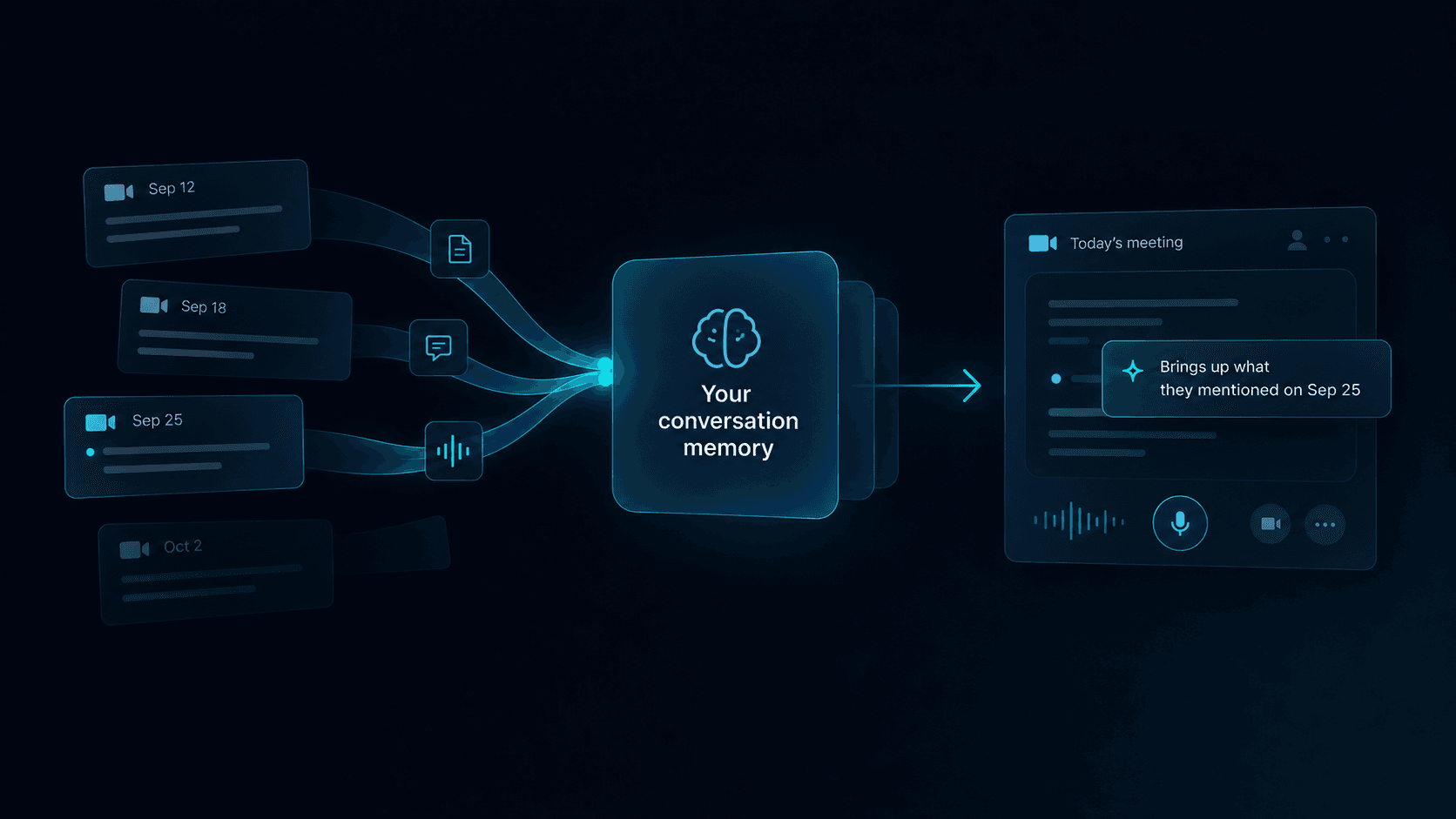
That is where real-time AI changes the workflow. kernous follows live conversations and brings relevant context into view while the moment is still active, so reps can stay present and decide how to respond.
For outbound reps, that means when an unexpected objection lands, there's relevant guidance on screen before the silence gets awkward. When a prospect mentions a pain point that maps to a specific use case, that context appears in real time rather than in a post-call debrief.
The shift is from reviewing what happened to being supported while it's happening. For cold calling specifically — where the first ninety seconds determine everything — that timing difference matters.
FAQ
Does cold calling still work in 2026?
Yes, but the bar for execution is higher than it was five years ago. Prospects receive more outbound contact across more channels, which means generic, low-relevance calls get filtered out faster. Cold calling works for reps who use specific triggers, concise openers, and a clear hypothesis about why they're calling that particular person.
How long should a cold call be?
A successful cold call — one that ends with a next step — typically runs between three and eight minutes. The goal is not to complete a full discovery on the first call. It's to establish enough relevance and trust to earn a scheduled follow-up where a real conversation can happen.
What's the best opening line for a cold call?
There's no single best opener, but the most effective ones share a structure: reference something specific to the prospect or their company, move quickly to your name and company, then make a single targeted observation. Avoid openers that ask permission ("Is now a bad time?") or open with a vague value claim ("We help companies like yours…").
How do I handle "send me some information"?
Treat it as a soft deflection, not a genuine request. Most prospects who say this won't open the email. The better response is to acknowledge it and ask one more question: "Happy to — and so I send the right thing, quick question: is [pain point] something you're actually trying to solve right now, or is timing not right?" This surfaces whether there's real interest or just a polite exit.
How is AI changing cold calling?
The main shift is in timing. Traditional sales tools surface insights after calls end. During a live conversation, kernous can bring relevant context, short cues, and questions worth exploring into view while the rep still has time to use them. For cold calling, where the early moments of a conversation determine whether it continues at all, real-time support changes what reps can do in those first ninety seconds.