Every sales rep has been there: a prospect raises an objection, and you have seconds to respond.
The hard part is not always knowing what to say. It is remembering the right context, choosing the right angle, and keeping the conversation moving while the call is still happening.
Most objection handling advice is useful after the fact. This guide focuses on what reps can say in the moment.
The Most Common B2B Sales Objections — and What to Say
1. "We already have a tool for this."
What to say:
"That makes sense. A lot of teams already have tools for recording, reviewing, or coaching calls. The question I'd ask is: does that tool help the rep while the conversation is happening, or mainly after the call is over?"
Why this works:
You are not attacking the existing tool. You are clarifying the difference between post-call analysis and in-call support.
2. "We don't have budget right now."
What to say:
"Totally understand. Can I ask — is this mostly a timing issue, or is it not a priority for the team right now? I want to make sure I'm not pushing on something that isn't relevant."
Why this works:
Budget objections are often priority objections. This separates "not now" from "not valuable."
3. "I need to check with my team first."
What to say:
"Of course. Who else would be involved in this decision? I'd love to understand what they'll care about most so I can make sure you have the right information for that conversation."
Why this works:
It turns a stall into stakeholder mapping without making the prospect feel pressured.
4. "We tried something like this before and it didn't work."
What to say:
"That's helpful context. What did you try, and where did it fall short? I want to understand what didn't work before I assume this is the same problem."
Why this works:
It forces specificity. "Something like this" often means a different product, different workflow, or different expectation.
5. "This is not a priority right now."
What to say:
"Fair. What is taking priority for the team right now? I'm asking because if this doesn't connect to one of those priorities, it may not be the right time."
Why this works:
You avoid arguing for urgency and instead learn what the buyer is actually optimizing for.
6. "How is this different from what we already do manually?"
What to say:
"That's a good question. The difference is usually not whether the team can do it manually. It's whether reps can access the right context fast enough while the conversation is still moving."
Why this works:
You reframe the value from automation to timing.
7. "I'm worried reps won't use it."
What to say:
"That's a fair concern. Most sales tools fail when they add another workflow. The key question is whether this fits into the call naturally, without asking reps to change how they sell."
Why this works:
You acknowledge adoption risk instead of dismissing it.
8. "We need to think about security / compliance first."
What to say:
"Absolutely. What specific requirements do you need to confirm — SOC 2, data retention, permissions, or something else? I can make sure we address the right concern instead of giving you a generic answer."
Why this works:
Security objections are easier to handle when they become specific requirements.
Why Real-Time Objection Handling Matters
Scripts are helpful, but sales conversations rarely follow a script.
A prospect might mention a competitor, bring up a compliance requirement, question ROI, or introduce a new stakeholder in the middle of a call. The rep may know the right answer somewhere, but that knowledge is often buried in a playbook, CRM note, Slack thread, or previous call summary.
That is the gap post-call review cannot fully close.
By the time a manager reviews the recording and says, "You should have asked about compliance requirements," the moment has already passed.
Real-time support changes the timing. Instead of helping reps understand what they missed after the call, it helps them respond while the deal is still moving.
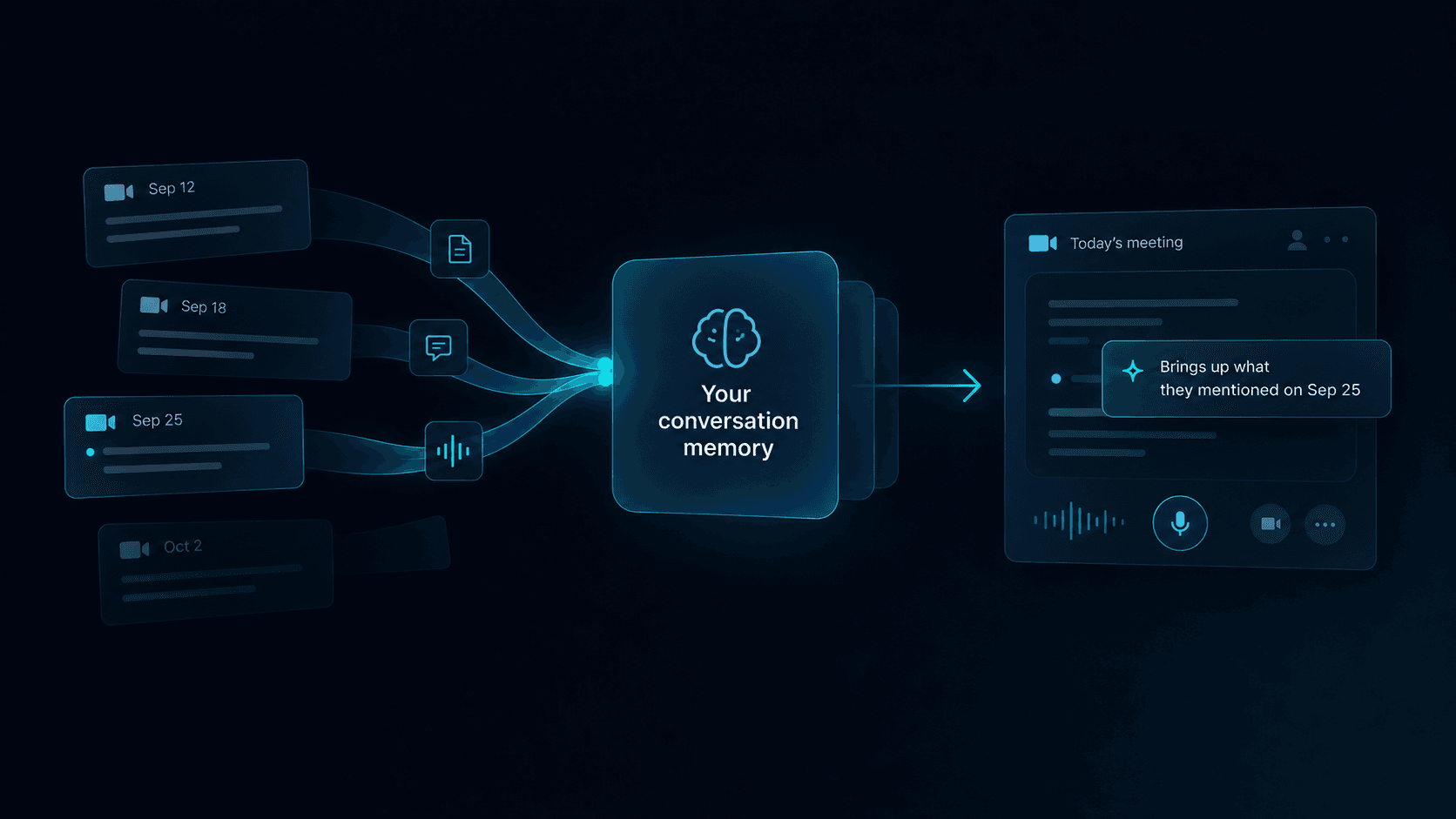
In a sample kernous session, a prospect mentions that a contract depends on SOC 2 Type 2 compliance. kernous brings relevant security context from the team's own knowledge base and a question worth exploring into view before the rep has to search for it manually.
The goal is not to replace the rep. It is to keep the rep present in the conversation while the right context appears at the right moment.
FAQ
What is objection handling in sales?
Objection handling is the process of responding to a prospect's concerns, hesitations, or blockers in a way that keeps the conversation moving forward.
What is the difference between an objection and a stall?
An objection is a specific concern, such as budget, timing, security, or ROI. A stall is a delay without a clear reason, such as "let me think about it." Stalls usually need a follow-up question to uncover the real objection underneath.
Can AI help with objection handling?
Yes. Real-time AI can bring relevant account context, company knowledge, and questions worth exploring into view during a live sales conversation, so reps do not have to rely only on memory or improvisation.
Does real-time AI replace sales coaching?
No. Post-call review helps teams improve over time. Real-time AI helps reps respond during the call. The two are useful at different moments.