A sales call structure is a simple framework for moving a conversation from the opening to discovery, presentation, objection handling, and a clear next step. It gives the rep direction without forcing the conversation into a rigid script.
The most effective structure has five phases: open, discover, present, handle objections, and advance. Each phase has a different goal, but the structure should stay flexible enough to adapt when the prospect introduces an unexpected question, concern, or use case.
This guide explains each phase, provides a complete sales call structure example, and shows how to build a script that supports the conversation without taking it over.
Key Takeaways
- A sales call structure gives the conversation direction without turning it into a word-for-word script.
- Every sales call has five phases: open, discover, present, handle objections, advance.
- The structure should help the rep listen, connect the solution to what the prospect said, and leave with a specific next step.
- Real-time guidance helps reps stay present when unexpected questions, objections, or use cases pull the call off-plan.
Sales Call Structure at a Glance
A practical sales call structure has five stages. The goal is not to follow each stage mechanically, but to make sure the conversation accomplishes the right job before moving forward.
| Phase | Goal | What to avoid |
|---|---|---|
| Open | Confirm time, agenda, and conversation format | Jumping straight into a pitch |
| Discovery | Understand pain, impact, timing, and decision process | Asking checklist questions without listening |
| Present | Connect the solution to what the prospect said | Giving a full product tour |
| Handle objections | Explore concerns and missing information | Defending too quickly |
| Advance | Agree on a specific next step | Ending with "I'll follow up" |
How to Structure a Sales Call in Five Steps
Every effective sales call moves through five phases. Each one has a single goal. Skipping or rushing a phase is where most calls fall apart.
Phase 1: Open (90 seconds)
Goal: Set the agenda, confirm time, and establish that this will be a two-way conversation.
Most reps skip this and go straight into their pitch. The prospect then spends the next ten minutes waiting for the call to feel relevant to them.
A clean open sounds like this:
"Thanks for making time. I have us down for thirty minutes — does that still work? Quick plan: I want to spend most of this understanding what you are working on, and if it makes sense, I will show you how we approach it. Sound good?"
Three things happen here: you confirm the time commitment, you signal that discovery comes before pitch, and you get a micro-yes that puts the prospect in an active mode rather than a passive one.
Phase 2: Discovery (8–12 minutes)
Goal: Understand the problem, the impact, the timeline, and how decisions get made.
Discovery is where most calls are won or lost. Reps who rush through it to get to the demo are solving for their own comfort, not the prospect's need.
The four things discovery should answer:
- What is the actual problem? (Not the symptom — the underlying cause)
- What happens if it does not get solved? (Impact quantifies urgency)
- Why now? (What changed recently that made this a priority)
- Who else is involved in the decision? (So the follow-up reaches the right people)
Questions that open up discovery:
- "What made you want to take this call?"
- "Walk me through how your team currently handles [process]."
- "When this breaks down, what does that look like in practice?"
- "If you solved this in the next quarter, what would be different?"
One question at a time. Let the answer breathe before the next one. The more the prospect talks, the more useful the rest of the call becomes.
Phase 3: Present (5–8 minutes)
Goal: Connect what they told you in discovery directly to what you offer.
This is not a product tour. It is a targeted bridge from their stated pain to your solution. Every feature you mention should trace back to something they said.
The structure:
"You mentioned [specific problem they named]. The way we approach that is [relevant capability]. What that usually means for teams like yours is [outcome they care about]."
If you caught three pain points in discovery, address those three. Do not add four more features because you think they are impressive. Relevance beats completeness every time.
Phase 4: Handle Objections
Goal: Explore concerns without defending against them.
An objection is not a rejection. It is information about what the prospect needs to feel confident moving forward. The reps who treat objections as attacks spend the call defending. The reps who treat them as questions spend the call solving.
Common objections and what they usually mean:
- "We already have something for that." — They need to understand the difference, not hear why their current tool is wrong.
- "The timing isn't right." — Either budget or priority. Find out which.
- "I need to think about it." — They are missing something to make a decision. Ask what.
- "It's too expensive." — They have not connected the cost to the value yet. Go back to impact.
The most effective response to almost any objection starts with a question, not an answer:
"That makes sense — can you say more about what you mean by [objection]?"
Phase 5: Advance (2–3 minutes)
Goal: Leave with a clear, specific next step that both sides have agreed to.
"I'll follow up" is not a next step. It is a way to end a call without commitment.
A real next step has three elements: who does what, by when, and what happens after that. Get it on the calendar before the call ends, not in a follow-up email that may or may not get a response.
"Let's get the technical call on the calendar now — does Thursday or Friday work? I'll send the invite with an agenda so your team knows what to expect."
A Sales Call Structure Example
| Phase | Example |
|---|---|
| Open | "Thanks for making time. I have us down for thirty minutes — does that still work? Quick plan: I want to spend most of this understanding what you are working on, and if it makes sense, I will show you how we approach it. Sound good?" |
| Discovery | "Before I get into anything on our end — what made you want to take this call?" |
| Present | "You mentioned [specific problem]. The way we approach that is [relevant capability]. What that usually means for teams like yours is [outcome they care about]." |
| Handle objections | "That makes sense — can you say more about what you mean by [objection]?" |
| Advance | "This seems like it could be a fit. I would suggest [specific action] as the next step. Does [day/time] work to get that on the calendar now?" |
The exact language will change from call to call. What stays consistent is the purpose of each phase: establish the conversation, understand the problem, connect the solution, explore concerns, and agree on what happens next.
Before the Call: 15 Minutes of Preparation
What a rep does in the fifteen minutes before a call determines how the first three minutes land. Not the fifteen hours — fifteen minutes. For a deeper preparation guide, see the sales call preparation guide.
Five things to confirm before dialing:
- Their role and tenure. A rep who started six months ago has different pain than a director who has been in seat for three years.
- One recent signal. A new hire, a product launch, a funding round — something that happened in the last 30 days that gives you a reason to reference their current moment.
- Your hypothesis. Based on what you know, what problem are you guessing they have? Write it in one sentence. You will test this in discovery.
- Your ask for the next step. Know before the call starts what a successful outcome looks like — a scheduled demo, a technical call, a proposal review. Do not figure this out at the end.
- Time confirmed. Check whether they accepted the calendar invite. If the meeting was booked more than a week ago, send a same-day confirmation so the call does not feel like a forgotten calendar hold.
Sales Call vs. Cold Call: What's the Difference?
A cold call is unsolicited. The prospect did not ask to speak with you, so the goal is to earn enough attention to create a next step. The first ten seconds are spent fighting the instinct to hang up. For more on that, see our guide to cold calling tips.
A sales call is expected. The prospect has agreed to a conversation, which means the first barrier is already cleared. The goal is not to prove you deserve their attention — it is to use that attention well. That usually means confirming the agenda, understanding the problem, connecting the right parts of your solution, and leaving with a clear next step.
How to Build a Flexible Sales Call Script
A fully scripted call sounds scripted. The moment the prospect says something unexpected — which they will — the rep is lost, searching for the next line in a document that no longer applies.
What works instead is a framework with flexible language: you know what each phase is trying to accomplish, and you have a handful of phrases ready for the transitions. The exact words adjust to the conversation. For more examples, see the full guide to writing a sales script.
Sample opening (adapt to your voice):
"[Name], good to connect. I have us for [time] — does that still hold? Here is what I was thinking: I want to spend the first part understanding what you are working on, and if it seems like a fit, I will show you exactly how we handle that. Does that work?"
Sample discovery opener:
"Before I get into anything on our end — what made you want to take this call?"
This question does two things: it resets the conversation away from pitch mode, and it tells you exactly what angle matters most to them.
Sample bridge into presenting:
"Based on what you just described, the part that seems most relevant is [X]. Can I show you how that works specifically for [their use case]?"
Sample next step close:
"This seems like it could be a fit — here is what I would suggest as a next step: [specific action]. Does [day/time] work to get that on the calendar now?"
How to Adapt When the Conversation Changes
Preparation covers what you know going in. It does not cover what the prospect says once the call starts.
A prospect might raise an unexpected objection, introduce a new use case, ask a technical or product question you did not anticipate, or bring up a compliance concern that changes what matters most. These are the moments when a static script no longer applies.
The structure still matters. It gives you a way to locate the conversation: are you still discovering the problem, connecting the solution, exploring a concern, or trying to agree on next steps? When the call moves off-script, pause long enough to understand what changed, answer the real concern, and then bridge back to the phase you were in.
How Real-Time Guidance Supports the Call
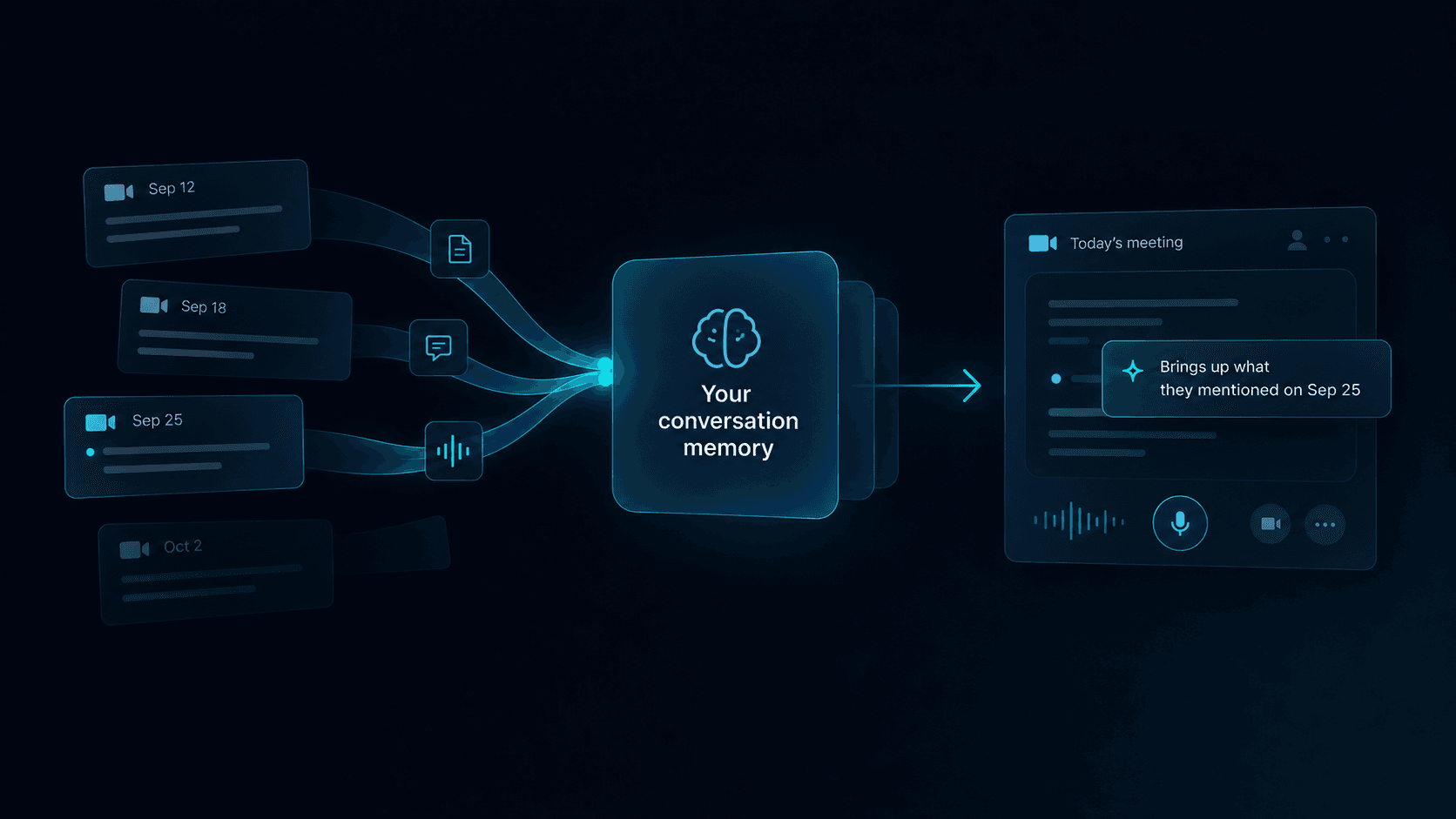
Many sales tools focus on what happens after the call: transcripts, summaries, and performance analysis. That context can help with follow-up and future conversations, but it does not answer an unexpected question while the current conversation is still moving.
kernous works during the call, surfacing relevant product knowledge, playbooks, and approved guidance while the conversation is still happening.
For a structured sales call, that means the rep does not have to abandon the framework the moment the conversation shifts. When a prospect raises an unexpected objection, mentions a competitor, or introduces a new use case, the context they need is already there. For a closer look at support during live conversations, see how real-time guidance works during a sales call.
The goal is not to replace the rep or replace the structure. It is to help the rep stay present in the conversation when the plan gets pressure-tested.
FAQ
What is the best structure for a sales call?
The best structure is open, discovery, present, handle objections, and advance. It gives the call a clear path without forcing the rep to follow a rigid script.
What are the five stages of a sales call?
The five stages are open, discovery, present, handle objections, and advance. The open sets the agenda, discovery uncovers the problem, present connects the solution, objection handling explores concerns, and advance locks in the next step.
Can you give an example of a sales call structure?
Yes. Open by confirming time and agenda, ask what made the prospect take the call, present only the part of the solution tied to their stated problem, ask a clarifying question when they object, and close by putting the next step on the calendar.
How long should each stage of a sales call take?
On a typical 30-minute call, the open may take about 90 seconds, discovery 8 to 12 minutes, presentation 5 to 8 minutes, objection handling as needed, and advance 2 to 3 minutes. The timing should flex based on what the prospect says.
What should I do when a prospect takes the call off-script?
Let the new information surface, identify whether it is an objection, use case, technical question, or decision concern, then bridge back to the right phase of the call. The structure should guide the conversation, not suppress it.